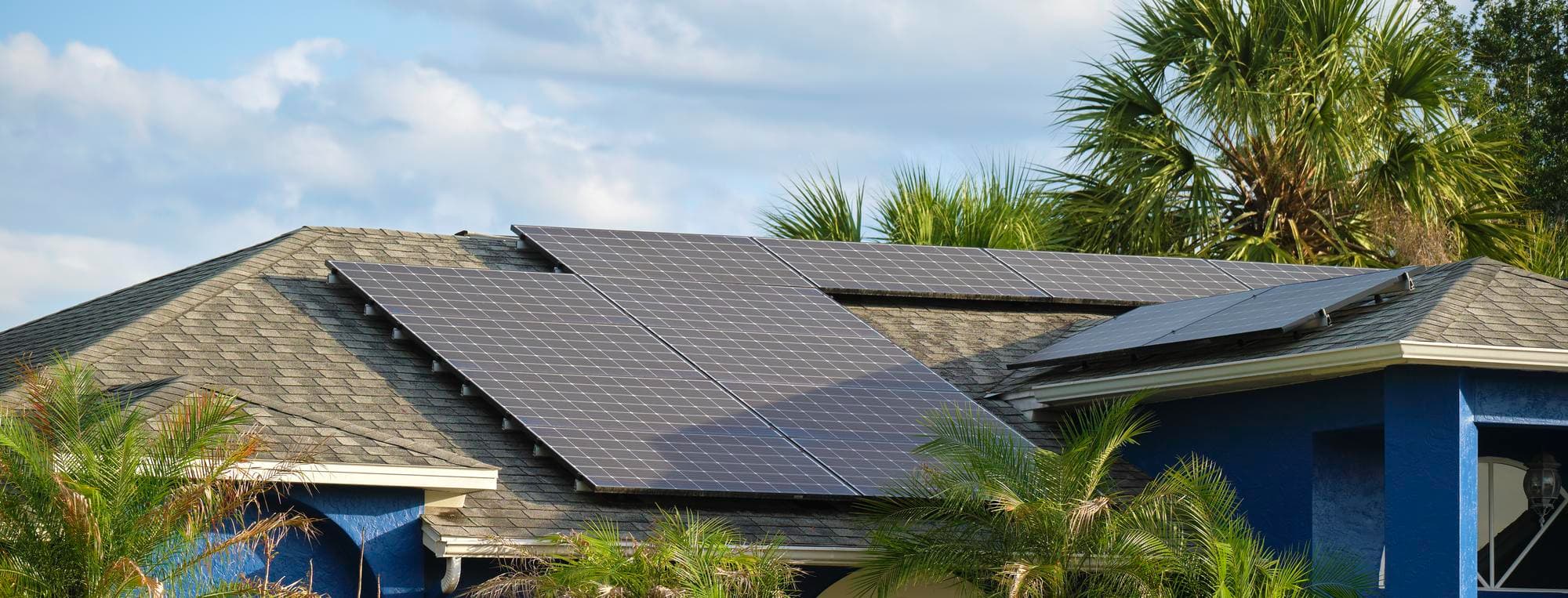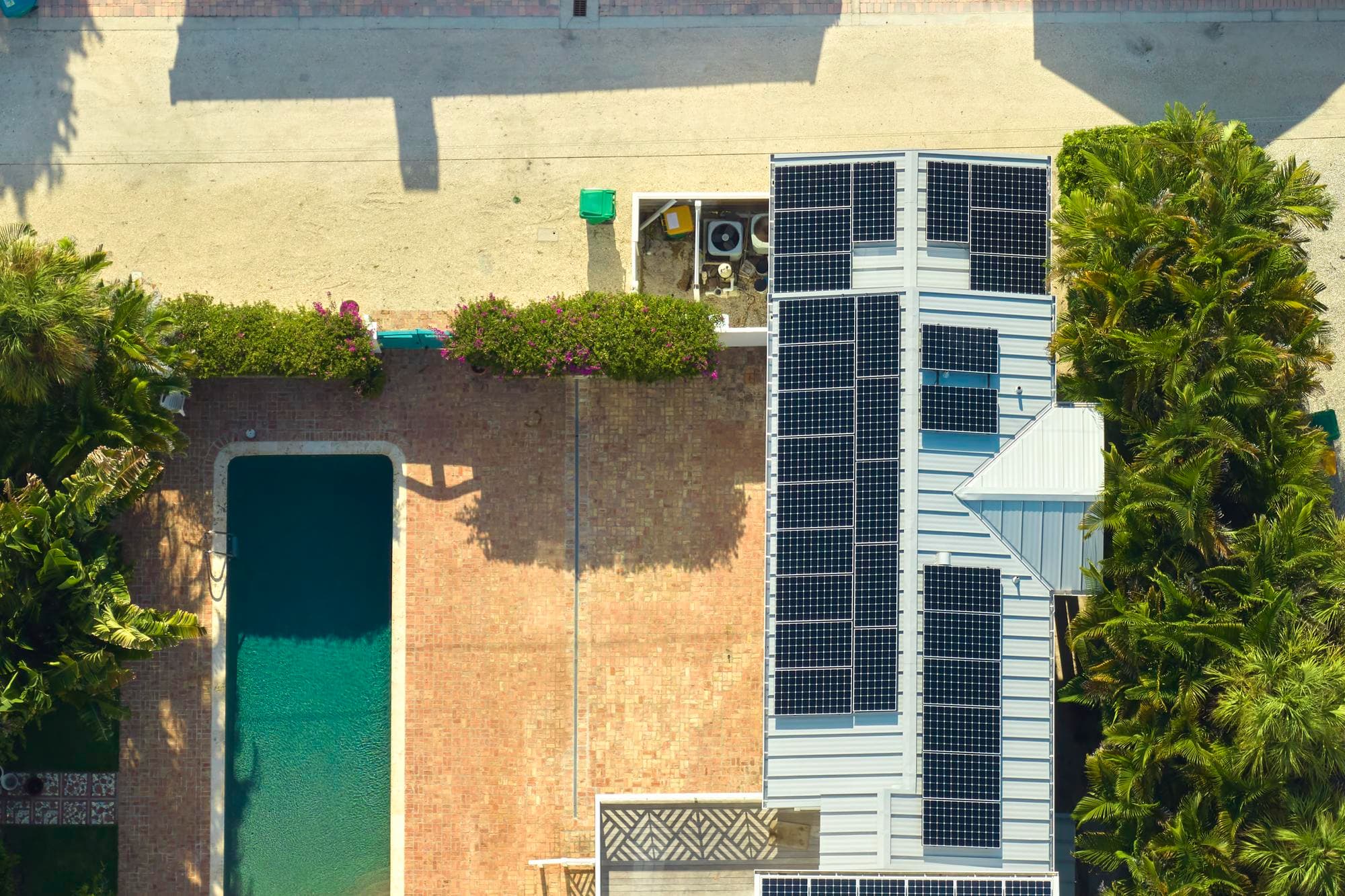
Benefits of professional system design
- Optimized Energy Production
Strategic panel placement, proper system sizing, and shading analysis ensure maximum solar production from your available roof space, delivering the energy output and savings you expect. - Code-Compliant Engineering
Professional structural analysis and engineering coordination ensure your system meets Florida building codes, wind load requirements, and permitting standards—preventing delays and failed inspections. - Right-Sized Investment
Proper system sizing based on actual energy usage prevents oversized systems that waste money and undersized systems that disappoint, ensuring your solar investment makes economic sense. - Future-Proof Planning
Thoughtful design considers potential future needs like EV charging, battery storage, or home additions, ensuring your solar system can adapt as your energy requirements evolve.
Ready to go solar?
Why choose Solar Central for system design
Property owners choose Solar Central for system design because our designs are created by people who actually install solar systems—not sales teams working from generic templates. We understand how design decisions impact installation difficulty, long-term performance, and maintenance accessibility, so we design systems that are both optimal on paper and practical in reality. Our team considers factors that sales-focused companies overlook: roof access for future maintenance, wire routing that doesn’t create eyesores, panel placement that maximizes production while respecting aesthetics, and sizing that delivers genuine ROI rather than maximizing our commission. We coordinate engineering requirements efficiently, communicate design decisions clearly in non-technical language, and create documentation that satisfies permitting authorities while remaining understandable to homeowners. You get thoughtful design that balances performance, practicality, and economics.

Your solar journey,
simplified
Site Assessment & Energy Analysis
Custom Design & Engineering
Design Review & Refinement
How do you determine the right system size for my home?
We analyze 12 months of your electric bills to understand actual consumption patterns including seasonal variations, evaluate your roof’s available space and optimal panel placement, assess your electrical system’s capacity for solar integration, discuss your energy goals and budget, and factor in future considerations like EV charging or home additions. The goal is sizing that delivers meaningful savings without oversizing just to increase our sale. We provide production estimates and financial projections so you can make informed decisions.
What if my roof has shading issues?
We conduct detailed shading analysis to identify problem areas and quantify their impact on production. Depending on shading severity and location, solutions include strategic panel placement to avoid heavily shaded areas, using microinverters or power optimizers that minimize shading impact on overall system performance, or recommending tree trimming where practical. We provide honest assessments—if shading makes solar impractical, we’ll tell you rather than sell you an underperforming system.
Do I need engineering plans for my solar installation?
Engineering requirements depend on your jurisdiction and project specifics. Many residential installations in Florida require stamped engineering plans showing structural calculations for roof load capacity and wind resistance. We coordinate with licensed structural engineers when required, manage the engineering process to minimize delays, and ensure all engineering documentation satisfies permitting authorities. Engineering costs are included in our proposals when applicable, with no surprise fees later.
Can you design systems for unusual roof types or complex properties?
Yes, we regularly design solar systems for tile roofs, metal roofs, flat roofs, multiple roof planes with different orientations, properties with complex shading, and challenging structural situations. Our field experience means we understand how to approach unusual installations practically, not just theoretically. We’ve solved difficult design challenges that other companies avoided or couldn’t handle properly, and we’re honest about projects that don’t make technical or economic sense.
How accurate are your energy production estimates?
We use industry-standard modeling software (PVWatts or similar) that accounts for geographic location, panel orientation and tilt, historical weather data, shading analysis, and system specifications. Our estimates are conservative and realistic rather than optimistic. Actual production varies with weather conditions, but properly designed systems typically perform within 5-10% of modeled estimates. We show you the methodology behind our projections so you understand what factors influence system performance.