Benefits of professional system commissioning
- Verified System Performance
Comprehensive testing confirms your solar system produces the energy output specified in design documents, delivering the savings you were promised rather than disappointing underperformance. - Safety System Verification
Thorough testing of ground fault protection, rapid shutdown systems, and emergency disconnects ensures your installation protects your home, family, and emergency responders. - Early Issue Detection
Methodical commissioning identifies configuration problems, equipment defects, or installation issues before they cause system downtime, preventing lost production and frustrating service calls. - Complete System Documentation
Professional commissioning includes documentation of all test results, system configurations, and performance verification that provides baseline data for future troubleshooting and proves system quality.
Ready to go solar?
Why choose Solar Central for system commissioning
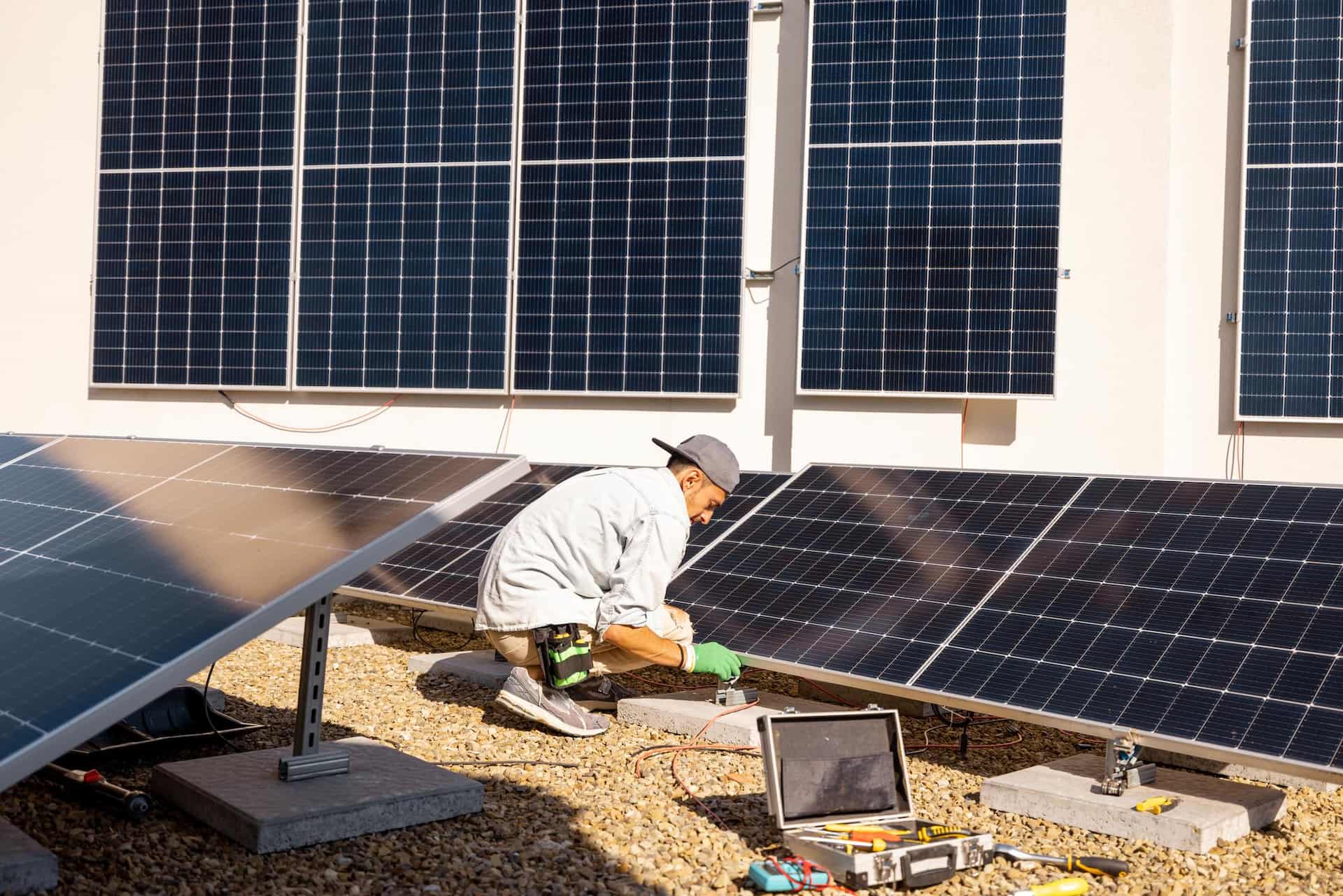
Property owners choose Solar Central for commissioning because we understand that installation quality means nothing if the system doesn’t operate correctly. Our commissioning process is comprehensive, documented, and performed by the same technicians who installed your system—people who understand every connection and component intimately. We use professional testing equipment to verify electrical parameters, not just visual inspections, we catch configuration issues that affect performance, like incorrect inverter settings or monitoring problems, we test safety systems to ensure they’ll protect your home and family, and we verify actual production against design expectations before considering the job complete. Many installers rush through commissioning or skip steps entirely, but we invest the time to ensure your system operates properly from day one.

Your solar journey,
simplified
Pre-Commissioning Inspection
System Energization & Testing
Performance Verification & Handoff
What exactly do you test during commissioning?
Commissioning includes electrical testing (voltage, current, resistance, grounding continuity), inverter functionality and configuration verification, monitoring system communication and data accuracy, safety shutdown and disconnect operation, ground fault detection systems, arc fault protection if applicable, system output verification under current weather conditions, and complete system functionality from panels through utility connection. We use professional testing equipment and document all results for your records.
How long does commissioning take?
Most residential system commissioning takes 2-4 hours depending on system size and complexity. We schedule commissioning after utility grants permission to operate, typically within days of receiving PTO. Commissioning timing is flexible and scheduled at your convenience since you’ll want to be present for the final walkthrough and system demonstration.
What happens if you find problems during commissioning?
If testing reveals issues, we diagnose the cause, explain the problem and required correction clearly, complete necessary repairs or adjustments immediately when possible, and retest to verify the issue is resolved before considering commissioning complete. Most issues caught during commissioning are minor configuration problems resolved quickly. Significant defects are rare with quality installations but would be corrected at no cost to you.
Do you provide training on how to use my solar system?
Yes, commissioning includes hands-on training covering how to monitor system performance through the inverter display or online portal, what normal operation looks like versus potential problems, how to safely shut down the system if needed, basic maintenance recommendations, and who to contact for questions or service needs. We provide written documentation and remain available to answer questions that arise after commissioning.
Is commissioning required or just recommended?
While not always legally required, professional commissioning is essential for quality installations. It verifies safety systems operate properly, catches issues before they cause downtime, establishes baseline performance for future comparison, and provides documentation of proper installation and startup. Skipping thorough commissioning is penny-wise and pound-foolish—it risks safety, performance problems, and future headaches. We include comprehensive commissioning in all installations because it’s the right way to complete a solar project.